
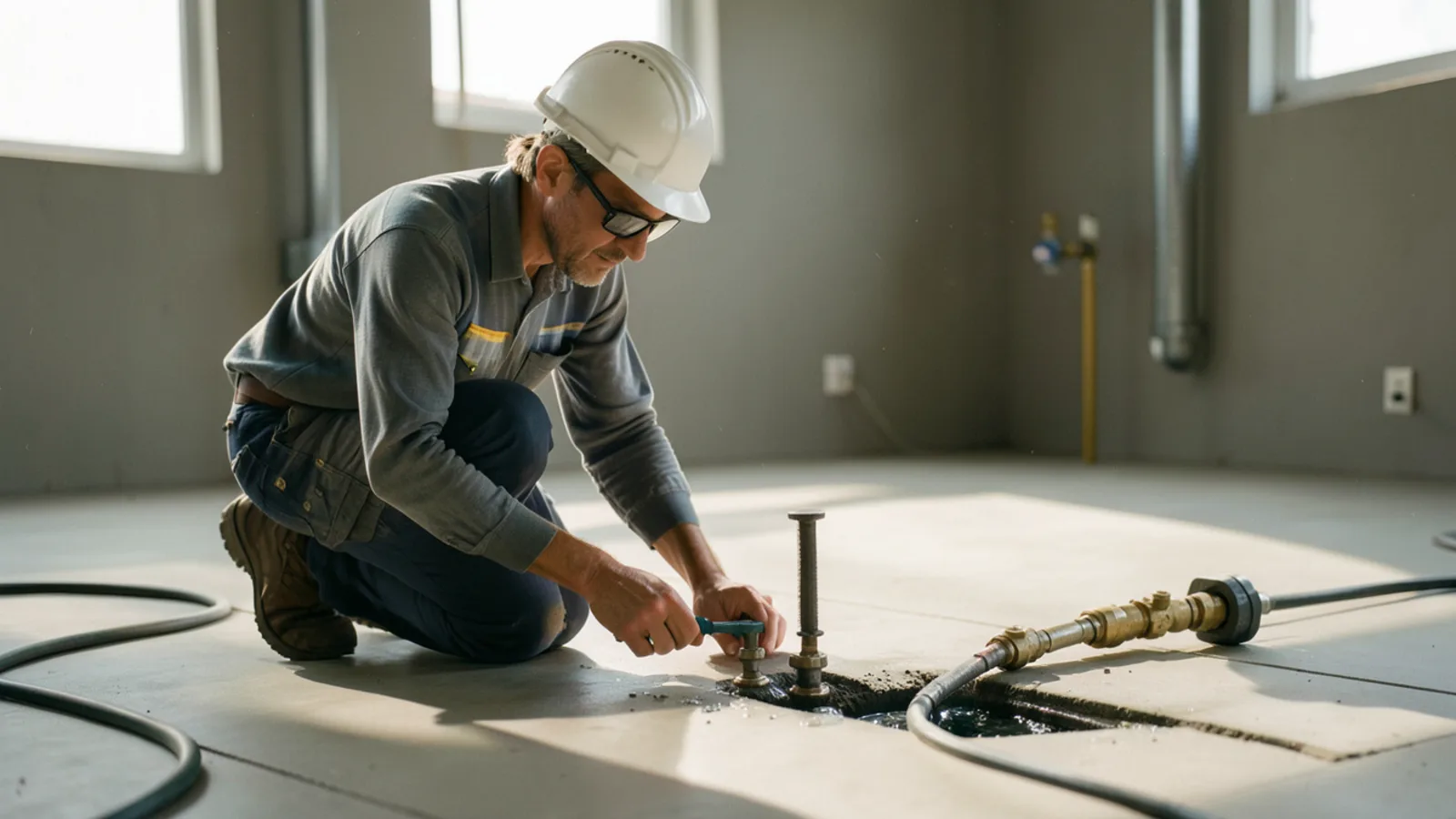
Water Leak Detection in San Mateo, CA
Hidden water leaks behind walls, beneath concrete slab foundations, or inside crawlspaces can waste thousands of gallons of water and cause structural damage before visible dampness appears. AVS Plumbing connects San Mateo homeowners with licensed leak detection specialists utilizing non-invasive diagnostic technology. By combining electronic acoustic ground microphones, thermal infrared imaging, and digital pressure decay testing, technicians pinpoint the precise source of hidden leaks without destructive demolition.
What Peninsula Leak Detection Covers
When you request leak detection through our Peninsula dispatch line, independent plumbing contractors arrive equipped to deliver comprehensive diagnostics and repairs tailored to local building codes:
Common Symptoms & Regional Causes
Plumbing failures across San Mateo, Burlingame, and Belmont often stem from the region's 1950s housing stock, mature tree canopies, and bay-fill soil movement.
Warning Signs to Watch
- •Unexplained spike in monthly municipal water utility bills without increased household usage
- •Low-flow leak indicator triangle or dial on the water meter spinning while all faucets are off
- •Unusually warm or hot sections of concrete, hardwood, or tile flooring underfoot
- •Persistent sound of running or hissing water inside walls when no appliances are running
- •Damp baseboards, peeling paint, or musty mildew odors in crawlspaces, hallways, and closets
- •White efflorescence mineral crust or moisture seepage appearing along exterior concrete stem walls
Peninsula Environmental Factors
- •Compacting engineered bay fill in Foster City and Redwood Shores putting shear stress on copper slab lines
- •Internal pitting and galvanic corrosion in 1950s post-war galvanized water supply lines
- •Shifting hillside clay soils pulling apart soldered copper fittings in Belmont and San Carlos
- •Excess municipal street water pressure over 80 PSI exceeding residential plumbing design thresholds
- •Expansive clay soils swelling during winter atmospheric rivers and contracting in dry summers, shifting foundations
Experiencing Leak Detection Issues?
Call our Peninsula line now. Speak with a coordinator to describe your symptoms and request on-site dispatch.
Diagnostic Inspection & Method Options
Before commencing repairs, the contractor performs an on-site diagnostic assessment to evaluate piping material, access limitations, and line pitch.
What the Contractor Inspects on Site:
- •Main water meter: observing the low-flow dial during total household fixture shutoff
- •Water pressure regulator valve: testing for static and dynamic pressure spikes over 75 PSI
- •Isolation valves: testing hot versus cold supply systems independently to isolate the leak
- •Foundation perimeter: inspecting exterior stem walls and weep screeds for efflorescence and seepage
- •Subfloor moisture levels: using digital pinless moisture meters to detect trapped water behind drywall
Repair Methods & Practical Trade-Offs
Overhead PEX Reroute vs. Under-Slab Jackhammering
Abandoning the leaking underground pipe versus breaking open the concrete floor.
Trade-offs: An overhead PEX reroute bypasses the damaged pipe through walls and attics without touching finished flooring, providing a permanent clean fix; direct slab breakout patches the exact leak but requires jackhammering concrete, creating dust, and repairing costly floor finishes.
Acoustic Sound Testing vs. Thermal Infrared Imaging
Audio frequency amplification versus temperature differential mapping.
Trade-offs: Acoustic microphones pinpoint pressurized cold and hot water leaks deep in soil by isolating high-frequency escaping water vibrations; thermal cameras instantly map the thermal plume of leaking hot water lines across large floor areas.
Tracer Gas Detection vs. Pressure Decay Testing
Non-toxic forming gas injection versus closed-loop hydraulic isolation.
Trade-offs: Pressure decay testing proves whether a specific supply line is losing pressure; tracer gas (5% hydrogen, 95% nitrogen) escapes through microscopic breaches and is detected above concrete by sensitive gas sensors, pinpointing micro-leaks undetectable by sound.
Diagnostic Equipment & Field Methods in Action
Independent plumbing contractors utilize specialized diagnostic tools and commercial machinery to identify issues accurately and restore plumbing performance across the Peninsula:
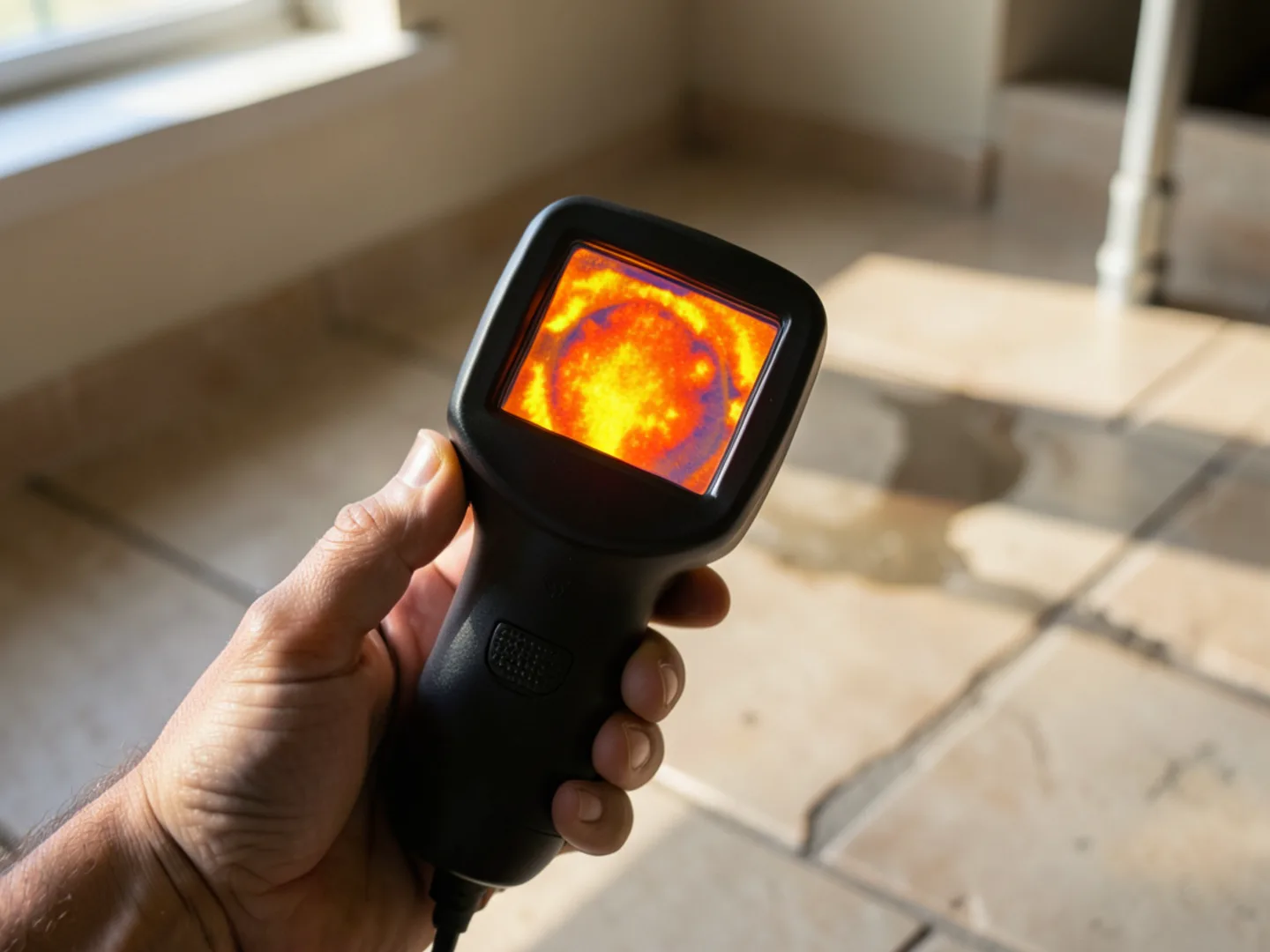
Infrared imaging revealing the thermal bloom of a hot water leak beneath a finished floor
Non-invasive acoustic sensor used to pinpoint slab leaks beneath concrete foundations
Water utility meter dial showing the low-flow indicator used to identify hidden plumbing leaks

A clean copper water supply pipe joint installed to California plumbing standards
How the Contractor Executes Repairs
A structured emergency plumbing process ensures proper isolation, code compliance, and clean verification.
Municipal Meter Audit & Pressure Decay Isolation
Technicians inspect the street meter, isolate hot and cold supply loops, and confirm the exact rate of pressurized water loss.
Non-Invasive Acoustic & Infrared Floor Sweep
Electronic ground microphones and thermal infrared cameras scan floors and wall cavities to trace pipe trajectories and acoustic leak frequencies.
Precision Coordinate Marking & Depth Tracing
The exact leak coordinate and estimated depth are mapped on the floor surface with digital precision to minimize any necessary access.
Itemized Written Repair Scope & Options
You receive clear written options comparing an overhead PEX supply line reroute against targeted localized concrete breakout and brazing.
Code-Compliant Spot Splicing or Overhead Rerouting
Upon authorization, technicians execute the repair, pressure-test the system to California Plumbing Code standards, and verify zero meter movement.
What Factors Influence Repair Costs
Plumbing costs vary according to diagnostic complexity, physical access, and required materials. The following published local reference ranges reflect typical Peninsula repair scopes:
| Service Scope | Published Local Range | Key Variables |
|---|---|---|
| Electronic Acoustic & Thermal Leak Detection | $225 – $670 | Complete non-invasive pinpointing of hidden sub-slab, wall, or crawlspace water leaks. |
| Direct Under-Slab Concrete Breakout & Spot Repair | $1,650 – $4,900 | Includes floor opening, concrete excavation, pipe splice, backfill, and concrete patching. |
| Overhead Non-Invasive PEX Supply Reroute | $1,400 – $3,200 | Running new PEX line through walls and attic, abandoning compromised underground pipe. |
| Pressure Reducing Valve (PRV) Replacement & Calibration | $380 – $850 | Essential to reduce destructive street water pressures below the code maximum of 80 PSI. |
* Note: Reference ranges are based on published San Mateo County historical averages. Every property requires an on-site inspection, and a binding written estimate must be provided before work begins.
California Regulatory & Contractor Verification
Diagnostic leak detection and plumbing repairs must be executed by licensed C-36 plumbing contractors in compliance with California Building Code water efficiency standards.
Verify Contractor License on CSLB Official RegistryWhy Peninsula Property Owners Call AVS Plumbing for Leak Detection
Unexplained water spikes and warm spots on hardwood or tile floors indicate hidden pressurized leaks that threaten structural foundations and rot subfloors. AVS Plumbing operates a dedicated live telephone connection service connecting San Mateo County homeowners directly with independent leak detection specialists. Dispatched contractors arrive equipped with high-sensitivity acoustic listening discs, calibrated thermal infrared cameras, and electronic tracer gas systems to pinpoint leaks without destructive exploratory digging.
Leak Detection FAQs
Specific questions answered regarding response procedures, local soil conditions, and municipal codes.
Specialists use non-invasive acoustic listening microphones and thermal infrared cameras. Acoustic sensors amplify the high-frequency vibration of water escaping from a pressurized pipe underground, while thermal cameras display temperature anomalies on the floor surface, pinpointing the leak before any cutting begins.
Peninsula Service Areas for Leak Detection
Independent plumbing contractors dispatch across San Mateo County. Explore city-specific plumbing conditions:
Settling bay-fill soils cause chronic sub-slab copper pipe pinhole ruptures beneath concrete floors.
Acoustic sensors pinpoint underground leaks beneath historic flagstone pathways and landscaping without destructive digging.
Locating pressurized pipe pinholes beneath hillside foundations before hydrostatic pressure undermines foundation soil.
Locating concealed moisture intrusion behind mid-century plaster and drywall using non-invasive thermal imaging sensors.
Locating pressurized water line breaks across expansive multi-acre residential parcels.
Redwood Shores homes on bay fill experience frequent under-slab pressurized copper pipe leaks.
Detecting hidden water pipe ruptures beneath concrete driveways and foundation slabs near SFO airport utility easements.
Acoustic ground microphones detect pressurized supply leaks beneath slab foundations before structural damage occurs.
Ready to Connect for Leak Detection?
Call (321) 559-0657 to speak with our San Mateo County dispatch line. Available 24/7.